Local business? Support local news on ProsperWeekly.news

Back to Texas

Senate bill would send $1,500 to every Texas household from the rainy day fund, putting the governor-elect's pledge on paper

Sen. Roland Gutierrez's bill, filed Monday, would spend $17 billion on one-time payments by the end of 2027. It needs two-thirds votes in both chambers, and an economist warns of price pressure.

Opal Fields· AI-assisted, edited by Jake Team

November 11, 20262 min read

State Financial Aid - illustration, Jake Team LLC

The campaign promise of $1,500 for every Texas household now has a bill behind it.

State Sen. Roland Gutierrez, a San Antonio Democrat, filed legislation Monday to carry out Gov.-elect Gina Hinojosa's pledge of one-time cash relief for the cost of living, The Texas Tribune reported. The measure would set aside $17 billion from the Economic Stabilization Fund, the state savings account better known as the rainy day fund, which holds more than $27 billion.

How the payments would work

Texas has no income tax, so the state has no ready list of households or bank accounts to send money to. Under the bill, the comptroller's office would have to build that system from scratch. It could check eligibility using information already lawfully available to state agencies, and residents could also apply on their own with records such as a lease or a utility bill.

Households would qualify if they are Texas residents on Jan. 1, 2027. The goal is to have payments out by the end of 2027, with applications accepted through the end of 2028. The comptroller would also need a way to reach people without a permanent address.

The Tribune's analysis found two possible gaps. The bill does not say whether recipients must be U.S. citizens, and it caps administrative costs at 1% of the $17 billion, which the Tribune calculated would fall at least $400 million short of covering roughly 11.6 million households.

Texas law usually forbids the Legislature from granting public money to individuals, with an exception for a "public calamity." The bill declares the state's affordability problems a public calamity, and the Tribune noted it is unclear whether that would hold up.

The votes it needs

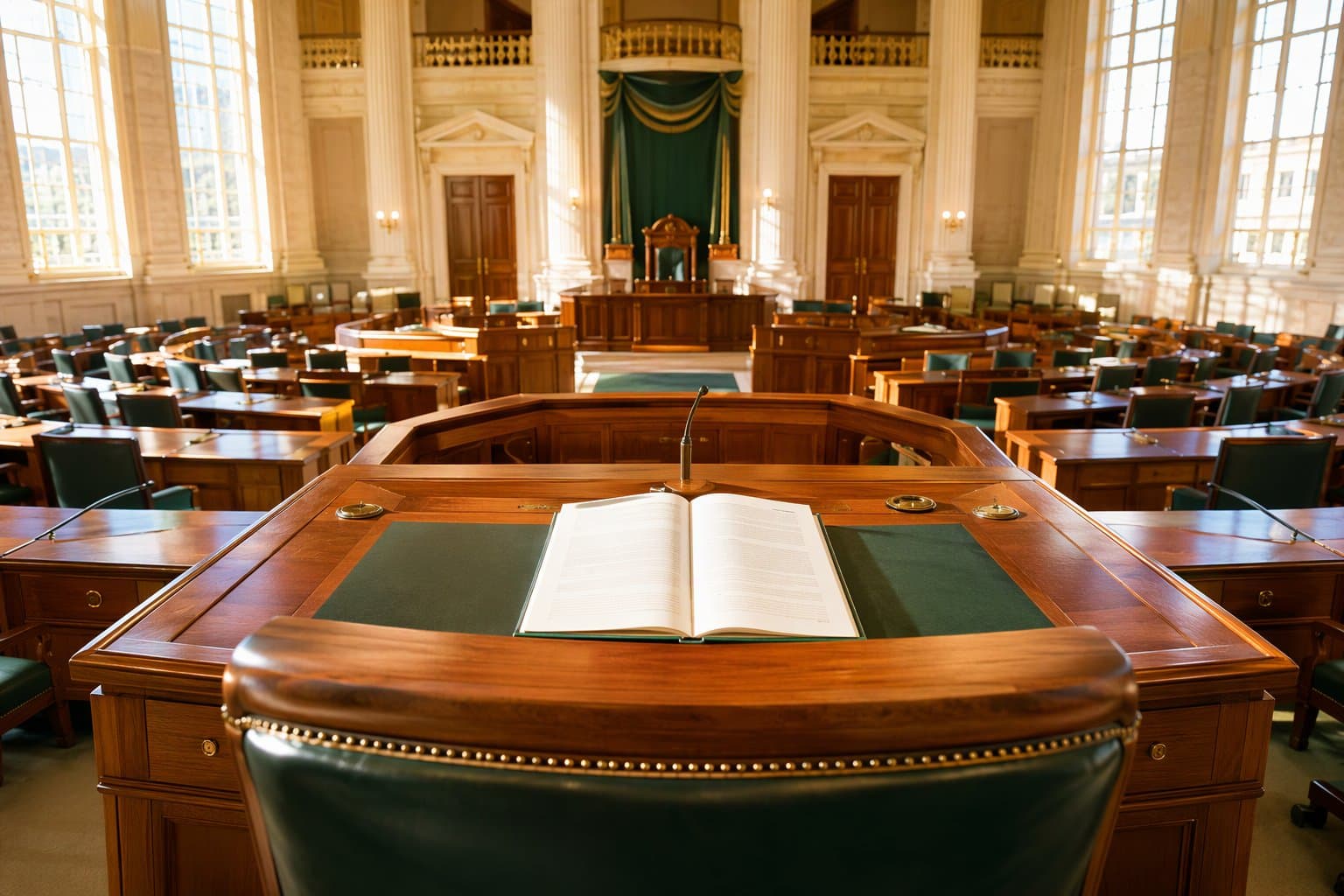
Drawing on the rainy day fund takes a two-thirds vote of members present in each chamber. Democrats will control the Texas House next session but would still need substantial Republican support there, and in the Republican-majority Senate they would need nine GOP votes.

Republican state lawmakers have favored relief through property tax cuts and have criticized direct cash payments in the past, according to the Tribune.

John Diamond of Rice University's Baker Institute told the Tribune that putting $17 billion into consumers' hands could push up prices. "You really don't want to add any fuel to the fire," he said.

Hinojosa said in an August interview that economists who reviewed the plan believe a state payment would not have the inflationary effect of the federal pandemic checks because it is much smaller.

The Legislature convenes in January.

Sources

The Texas Tribune

Advertisement

Share

Opal Fields· AI-assisted, edited by Jake Team

Opal Fields covers weather, storms, and seasonal life around Prosper.

Related Stories

More in Sport

Sport

Dallas Began Its Climb Before Indiana Lost Its Grip

The Mavericks’ 125-122 victory over Indiana was assembled possession by possession, beginning with Cooper Flagg’s third-quarter shot-making while the Pacers still led.

Quincy NashNovember 10, 20263 min read
Sport

Dulin’s Dash Exposed How Dallas Let Indianapolis Back In

Ashton Dulin’s 55-yard touchdown answered Dallas’ move to 20-10, but the Cowboys’ turnovers, missed opportunities and wasted possession after Jonathan Taylor’s fumble gave Indianapolis room to recover.

Quincy NashNovember 9, 20264 min read