Back to Surrounding Cities

North Texas suburbs reshape American metro model

Plano and other North Texas cities have evolved from bedroom communities into major economic hubs, attracting corporate headquarters and driving rapid population growth in Collin County.

Xenia Yoder

July 3, 20262 min read

Suburban growth - illustration, Jake Team LLC

Plano, Frisco, Irving, and McKinney have shifted from functioning primarily as residential areas for a central city to becoming independent economic and political power centers. This transformation has drawn corporate headquarters, jobs, and investment to the region, establishing a pattern that is increasingly visible across the United States.

Former Plano Mayor Harry LaRosiliere described this shift as a new model for metropolitan America, where prosperity is not confined to urban cores but extends into the suburbs. He noted that the area successfully combines car-centric infrastructure, strong school systems, and suburban appeal.

A key indicator of this strength is Plano’s recent acquisition of AT&T’s planned global headquarters and the site for the future Dallas Stars hockey team.

LaRosiliere attributed this attraction to the availability of space and opportunity. He stated that residents seek home ownership and family-oriented environments that he believes are less accessible in dense city centers. He described Plano as a place where the traditional American dream of homeownership and family life can be realized.

This demand for space is evident in recent demographic data. According to the U.S. Census Bureau, Collin County experienced more population growth between 2024 and 2025 than any county in the nation except one. During the same period, Dallas County’s population declined. Four of the five fastest-growing U.S. cities with populations of at least 20,000 were located in Collin County.
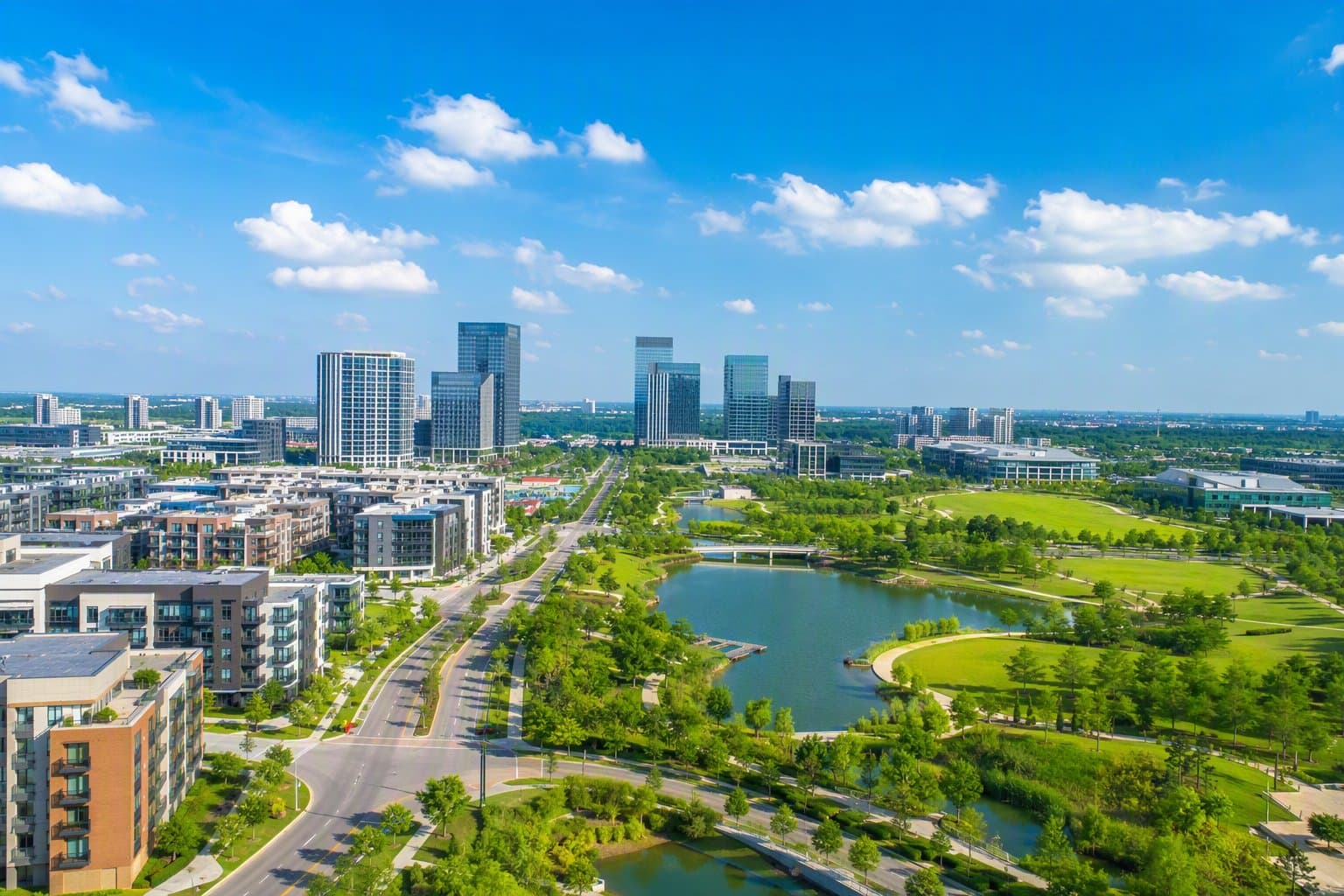
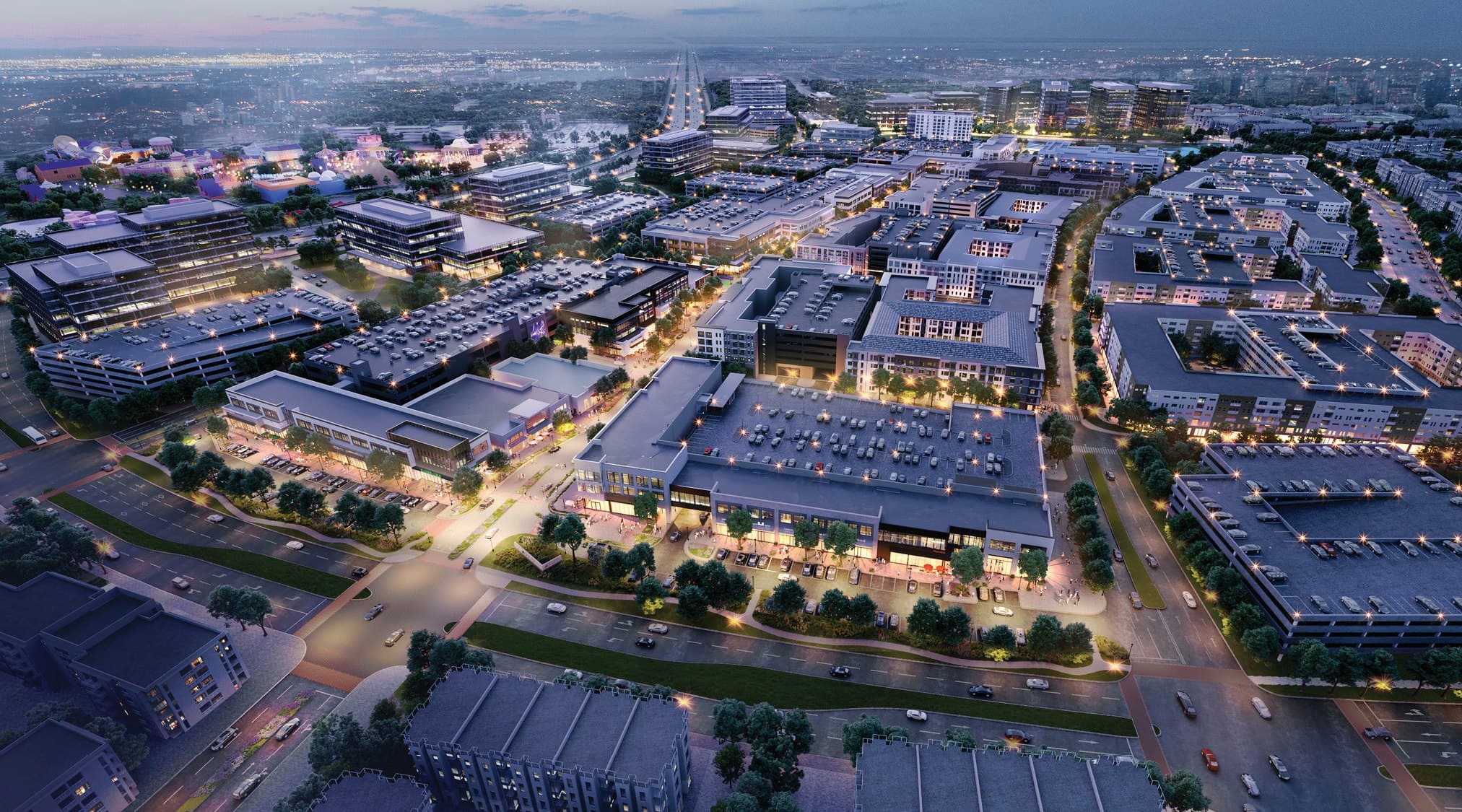
The region’s approach to development, which blends master-planned communities with corporate campuses, has influenced other fast-growing areas from Atlanta to Phoenix. These suburbs now compete with downtowns as centers of commerce and culture. Local governments and business leaders have pursued a shared strategy to expand the region's economic footprint.

Frisco is about 6 miles south of Prosper. Further details regarding specific timelines for the new corporate developments or long-term economic projections were not provided in the source material.

Source: yahoo.com.

Sources

https://www.yahoo.com/news/us/articles/nations-250th-birthday-look-north-120000799.html

Share

Xenia Yoder

Xenia Yoder writes about community life, schools, public safety, and local events in Prosper.

Related Stories

More in Prosper

Prosper

What Prosper Told Its School Board It Wants in the Next Superintendent

A community input report now in front of the Prosper ISD board asks for a visible, 'fresh eyes' leader who knows Texas school finance, with respondents praising the district's teachers and facilities while pressing for better substitutes, higher teacher pay and more transparency.

Xenia YoderJuly 21, 20264 min read